Choosing a career path can feel like standing at a crossroads with no map. The good news is that you do not need to solve your whole future at once. You need a process that helps you learn about yourself, explore realistic options, test them cheaply, and take the next step. This guide gives you a practical five-step plan you can start today, whether you are a student, a job seeker, or someone thinking about a career change.
Step 1: Take stock of your skills and strengths
Start with what you already have. Set aside thirty minutes and write down:
- Hard skills: Tools, languages, methods, and technical knowledge you can use, such as spreadsheets, design software, or a second language.
- Soft skills: Abilities like communication, organizing, teaching, negotiating, or staying calm under pressure.
- Achievements: Five moments you are proud of, at work, at school, or in personal life. Note what you did in each.
Then look for patterns. Do your best moments involve solving problems, helping people, creating something, or leading a group? These patterns often point toward the kind of work that suits you. If you find it hard to see your own strengths, ask two or three people who know you well what they would say.
Step 2: Clarify your interests and values
Skills tell you what you can do. Interests and values tell you what will keep you engaged. Ask yourself:
- Which topics do I read or talk about without being asked?
- What tasks make me lose track of time?
- What do I need from work: stability, flexibility, creativity, income, purpose, or growth?
- What are my limits, such as location, hours, budget, or family duties?
Be honest and practical. A career that matches your skills but conflicts with your values will feel draining, while a career that excites you but ignores your limits may not be sustainable. Write down your top three priorities and your non-negotiables.
Step 3: Explore and shortlist options
Now generate options. Use several sources at once, so you do not depend on a single idea:
- Job postings: Browse listings in fields that interest you. Notice the titles, tasks, and skills that appear repeatedly.
- People: Ask friends, former teachers, or contacts to describe what they do day to day. A twenty-minute conversation can be very revealing.
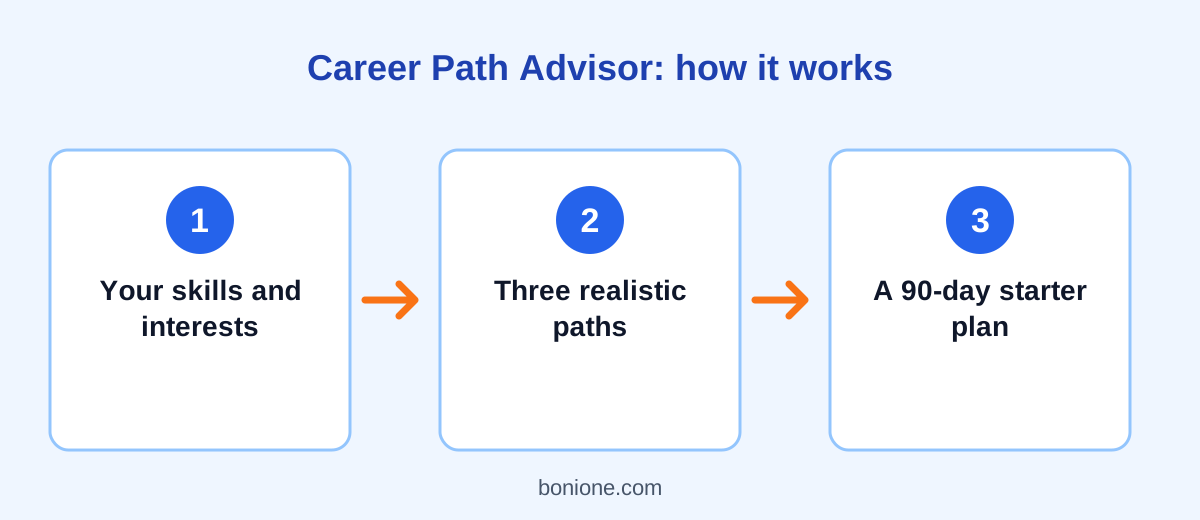
- Career tools: Use the free Career Path Advisor. Describe your background, skills, and interests, and you will receive three realistic paths with skills to build and a 90-day plan. You can read more about the benefits in our article on why a career path advisor can help.
Aim for a shortlist of three options. If you have more, remove the ones that break your non-negotiables.
Step 4: Compare your options with a simple scorecard
Turn your shortlist into a decision by scoring each option from 1 to 5 on the things that matter to you. For example:
| Factor | Option A | Option B | Option C |
|---|---|---|---|
| Fits my skills | 4 | 3 | 5 |
| Interests me | 5 | 4 | 3 |
| Realistic entry route | 3 | 4 | 4 |
| Matches my values and limits | 4 | 5 | 3 |
The numbers do not decide for you, but they make your thinking visible. If one option scores well overall, you have a strong candidate. If your gut disagrees with the scores, pay attention: it may mean a factor is missing from your list.
Step 5: Test before you commit, then make a 90-day plan
Cheap tests reduce the risk of a wrong move. Before you quit a job or start an expensive program, try a small experiment:
- Take a short online course on the basics of the field.
- Complete a mini project, such as a sample report, a small website, or a volunteer task.
- Shadow someone or do a short freelance job.
- Attend a local event or online meeting related to the role.
After each test, ask yourself whether you enjoyed the work itself, not just the idea of it. Then build a plan for the next 90 days with three parts:
- Month one, learn: Research the role, complete a beginner course, and speak with two people in the field.
- Month two, practice: Build a small project or portfolio piece that shows your skills.
- Month three, apply: Update your materials and start applying, or begin an internal move.
Prepare your application materials
Once you have a direction, adapt your materials to it. Career changers should focus on transferable skills and results, not only job titles. Improve your resume with the Resume Optimizer, refresh your profile with the LinkedIn Profile Optimizer, and check each posting with the Job Match Analyzer. When you get interviews, practice with the Interview Simulator.
Common mistakes to avoid
- Waiting for certainty. You will rarely feel 100 percent sure. Choose a good next step and learn from it.
- Copying someone else's path. A career that suits your friend may not suit you.
- Focusing only on salary. Money matters, but a high-paying job you dislike is hard to maintain.
- Ignoring practical limits. Include time, cost, and location in your plan.
- Doing everything alone. Conversations with real people often open doors that research cannot.
- Believing the choice is permanent. Careers change. Skills you build now are usually useful later.
Frequently asked questions
How do I choose a career if I have no experience?
Start with your studies, projects, volunteer work, and hobbies. Skills like organizing events, learning quickly, or helping others are valuable in many roles. Then use small tests to learn what you enjoy.
Is it too late to change careers?
There is no universal age limit. Many people change direction after years in another field, and their previous experience is often an advantage. Focus on transferable skills and a realistic plan.
How long does it take to switch careers?
It depends on the field, the skills you need, and how much time you can invest. A first realistic milestone, such as completing a course and a project, can often be reached in a few months. Bigger changes may take longer.
Final thoughts
Choosing a career path is not a single leap. It is a series of small, informed steps: know your skills, clarify your interests and values, explore options, compare them, and test before committing. Take the first step this week. Write down your skills, talk to one person in a field that interests you, and try the free Career Path Advisor for a structured starting point.